7 Reasons Why Forming an LLC Could Be a Smart Decision for Your Business

7 REASONS WHY FORMING AN LLC COULD BE A SMART DECISION FOR YOUR BUSINESS

When it comes to expanding internationally, the United States has always been one of the most appealing markets for entrepreneurs worldwide. With the largest economy in the world and a business-friendly environment, forming a company in the US can bring huge opportunities and benefits. Among the available legal structures, forming an LLC is a popular and flexible choice. Here are 7 reasons why forming an LLC is a smart decision for your business.

Separating Business Activity From the Owner’s Personal Assets

One of an LLC’s biggest advantages is its ability to separate the owner’s personal assets from business assets. This means that if the company runs into legal or financial trouble, your personal assets won’t be affected. This separation helps protect personal assets and minimize risk for the owner.

While sole proprietorships often face the risk of having personal assets seized to pay off debts, an LLC owner can feel more at ease since only the company’s assets are bound up in lawsuits or debt.

Automatic Tax Filing and Easy Financial Management

When you form an LLC, you’ll receive a business tax ID (EIN) from the US Internal Revenue Service (IRS). An EIN doesn’t just help an LLC fulfill its tax obligations — it also lets the business open a bank account under the company’s name, making financial management and business transactions more convenient.

An LLC is usually considered a “pass-through entity,” meaning the company’s profit and loss pass directly to the owner and are reported on their personal tax return. This helps avoid double taxation, a common issue for corporations.

Proving Income and Improving Loan Eligibility

Owning an LLC helps a business prove income clearly and transparently, which is very useful when applying for a credit loan or purchasing high-value assets. Banks and financial institutions usually value transparency and clarity in a business’s financial activities, and an LLC can easily meet this requirement.

In addition, having a clear financial record also helps an LLC build a better credit history, which can also increase access to loan sources with preferential interest rates.

Easy, Flexible Operational Conveniences

An LLC can easily rent a virtual address, virtual office, and use mailbox services to receive verification codes from e-commerce platforms and Google Maps. This is very important for businesses operating online or without a fixed office in the United States.

These services help a business save on office and staffing costs, while also creating favorable conditions for remote management and operation.

Building Professionalism and Credibility

An LLC can register a company phone number and create a professional image when communicating with customers and partners. This professionalism doesn’t just strengthen a business’s reputation — it also makes a good impression on business partners.

Reducing Personal Income Tax and Optimizing Taxes

An LLC can benefit from tax incentives, including the ability to apply for tax exemptions from retail suppliers. This helps reduce the personal income tax burden for the owner and optimize profit.

In addition, an LLC can also take advantage of tax deductions related to business expenses, such as office rent, advertising, and travel costs, maximizing financial benefit.

Supporting Legal-Entity Account Opening and Market Access

Forming an LLC is very important when selling on platforms like Amazon or Walmart, where retailers need a legal-entity identity account in the United States. An LLC lets a business access many products and items that only US entities can sell, expanding business capability and increasing revenue.

This is especially important given the strong growth of the e-commerce market, and having an official presence in the United States helps a business easily reach customers and new markets.

Conclusion

Forming an LLC in the United States brings a business many legal, financial, and business benefits. From protecting personal assets and optimizing taxes to building professionalism and credibility, an LLC is a powerful tool that helps entrepreneurs grow and expand their business operations.

If you’re considering expanding your business in the United States, consider forming an LLC to take advantage of the outstanding benefits this legal structure brings. Contact the AWE Legal team for detailed consulting and guidance on the process of forming a company in the US.

——————

𝑨𝑾𝑬 𝑳𝒆𝒈𝒂𝒍 𝑺𝒆𝒓𝒗𝒊𝒄𝒆𝒔 – 𝑩𝒓𝒊𝒏𝒈𝒔 𝒚𝒐𝒖𝒓 𝒃𝒖𝒔𝒊𝒏𝒆𝒔𝒔 𝒕𝒐 𝒕𝒉𝒆 𝒘𝒐𝒓𝒍𝒅!

🏡 Fanpage: https://www.facebook.com/awelegal.agent

📞 Phone: 0886-514-519 / 09-8246-8246

🌎 Website: awelegalservice.com

The History of Trademarks: Why Did They Come to Be?

THE HISTORY OF TRADEMARKS: WHY DID THEY COME TO BE?

A trademark is an indispensable part of the modern business world, helping businesses build and protect their brand. The history of trademarks is a long and complex journey, beginning in ancient times and developing through many historical periods. In this article, let’s explore the trademark’s development journey through history with AWE Legal.

trademark history
Trademarks came into existence a very long time ago

Ancient Times

The concept of marking products to distinguish them has existed since ancient times. Ancient Egyptians were one of the first civilizations to use marks to identify their products. Egyptian merchants often carved symbols or letters onto their goods to prove their origin and quality.

In ancient Rome, silver marks were used to identify the origin and quality of goods, especially metal products and pottery. These marks not only helped consumers recognize products but also protected manufacturers’ reputations.

The Middle Ages

During the Middle Ages in Europe, the guild system developed strongly. These guilds began using exclusive marks to identify products made by their craft. This didn’t just help protect the quality and reputation of the product — it also prevented counterfeiting and protected craftsmen’s interests.

Using marks was also part of a quality-control process, ensuring that only products meeting the standard were allowed to carry the guild’s mark.

The Industrial Revolutions and the Emergence of the Modern Brand

With the explosion of the industrial revolutions in the 18th and 19th centuries, the world witnessed the growth of large industrial businesses. Companies began mass production, and the need to distinguish their products in an increasingly competitive market became urgent.

This is when the modern brand was born, using special symbols like logos and brand names to identify products. Early brands like Coca-Cola and Levi’s established strong brand symbols to build reputation and attract customers.

Trademark Protection Law

As brands developed, countries began to recognize the importance of protecting intellectual property rights. Trademark protection laws were enacted to protect the interests of businesses and consumers.

Trademark registration became an important process to ensure ownership and prevent unauthorized copying. These laws not only helped protect brands — they also promoted healthy competition in the market.

Modernization and the Global Brand

With the growth of technology and telecommunications, brands became an indispensable part of modern life. Major brands like Coca-Cola, Nike, and Apple became global icons and built massive brand value.

A brand is no longer just an identifying symbol — it has also become part of popular culture, influencing the lifestyle and consumer habits of millions of people around the world.

The Rise of the Digital Brand

With the growth of the internet and e-commerce, the digital brand has become more important than ever. Brands use online channels to make an impression and engage with customers.

Social media and online platforms have opened up new opportunities for brands to reach customers globally. Companies like Amazon and Alibaba have built powerful digital brands, changing how consumers shop and interact with products.

International Trademark Law

In the context of globalization, international agreements and treaties like the Madrid Agreement and domain-name agreements play an important role in protecting and managing a brand from abuse or copying in other countries, while also driving the growth of international trade.

Conclusion

The history of trademarks reflects the development of industry and commerce through the ages. From simple marks in ancient times to complex digital brands today, trademarks have proven their important role in protecting the interests of businesses and consumers.

In the modern world, a brand isn’t just a marketing tool — it’s also a valuable asset, helping a business build trust and reputation globally. As technology and the market continue to develop, trademarks will continue to play a key role in a business’s long-term success and sustainable growth.

——————

𝑨𝑾𝑬 𝑳𝒆𝒈𝒂𝒍 𝑺𝒆𝒓𝒗𝒊𝒄𝒆𝒔 – 𝑩𝒓𝒊𝒏𝒈𝒔 𝒚𝒐𝒖𝒓 𝒃𝒖𝒔𝒊𝒏𝒆𝒔𝒔 𝒕𝒐 𝒕𝒉𝒆 𝒘𝒐𝒓𝒍𝒅!

🏡 Fanpage: https://www.facebook.com/awelegal.agent

📞 Phone: 0886-514-519 / 09-8246-8246

🌎 Website: awelegalservice.com

What Is a DUNS Number? What Does It Mean for a Business?

WHAT IS A DUNS NUMBER? WHAT DOES IT MEAN FOR A BUSINESS?

In today’s era of growth, businesses are increasingly developing and diversifying. However, to grow, domestic and foreign businesses need to connect with each other. To do that, domestic businesses, especially import-export businesses, usually need to register for a number sequence called a DUNS number. So what is a DUNS number? Let’s find out with AWE Legal!

What Is a DUNS Number?

A DUNS number (short for Data Universal Numbering System) is a unique 9-digit number sequence used to verify a business’s information. This number is issued to businesses by the Dun & Bradstreet (D&B) corporation, after the business’s information has been reliably verified.

What Does a DUNS Number Include?

A DUNS number includes the following components:

DUNS number: A unique 9-digit number sequence used to verify a business’s information. Each company usually has a different DUNS number.

The D-U-N-S® Registered™ seal: A seal displayed on a company’s website to prove high reliability and credibility, helping a business gain more business opportunities in the international market.

The D-U-N-S® Registered™ certificate from Dun & Bradstreet (D&B): This certificate confirms that a business’s DUNS number and DUNS seal are reliable.

DUNS

How Does DUNS Work?

Once issued to a business, a DUNS number is used to check that business’s identity and legal-entity status. This is part of the verification process.

The DUNS number is then directly linked to your company’s credit profile and plays an important role in your company’s search for credit and financing. Owning a DUNS number helps suppliers, investors, and the business owner see the company’s business credit report and more easily assess your company’s credit standing.

DUNS

What Does a DUNS Number Mean for a Business?

– Ensuring authenticity for a business: Owning a D-U-N-S® Registered™ number is proof that your business information has been verified and confirmed through many strict rounds by the D&B Corporation. This brings more peace of mind to partners and cooperating suppliers.

– Raising a business’s trust and credibility: The D-U-N-S® Registered™ number is a globally recognized certification, helping a business establish trust and raise its own credibility.

– Increasing cooperation and business opportunities: Having a D-U-N-S® number helps your business become known to more people and gain more international cooperation opportunities, working with other businesses both domestically and internationally, as well as government organizations worldwide.

– Helping verify and evaluate information about partners and suppliers: If a partner has already registered for a DUNS number, you can feel more confident when deciding to cooperate, and the partner-vetting stage can be shortened, minimizing costs for the business.

– In addition, businesses manufacturing food or cosmetics that want FDA approval to sell in the US market need to register for a DUNS number to complete the procedure.

Conclusion

Now we understand the meaning of a DUNS number and its importance to a business. We hope this information helps you on your future growth journey.

In addition, the AWE Legal team is ready to answer any questions you have about the registration process as well as the necessary procedures.

Come to AWE Legal for a fast procedure, a professional team, quick turnaround, and safe transactions.

————————————

𝑨𝑾𝑬 𝑳𝒆𝒈𝒂𝒍 𝑺𝒆𝒓𝒗𝒊𝒄𝒆𝒔 – 𝑩𝒓𝒊𝒏𝒈𝒔 𝒚𝒐𝒖𝒓 𝒃𝒖𝒔𝒊𝒏𝒆𝒔𝒔 𝒕𝒐 𝒕𝒉𝒆 𝒘𝒐𝒓𝒍𝒅!

Fanpage: https://www.facebook.com/awelegal.agent

Phone: 0886 514 519 / 09 8246 8246 / 082 309 3619

Website: awelegalservice.com

A Legitimate Legal Representative for Your Business in the United States

A LEGITIMATE LEGAL REPRESENTATIVE FOR YOUR BUSINESS IN THE UNITED STATES

The United States, dubbed the “land of opportunity,” has always been the dream destination for businesses worldwide. However, to enter this market smoothly and successfully, having a legitimate legal representative is extremely important. A legal representative isn’t just someone who plays an important role in receiving legal notices and official documents — they also help your business maintain legal compliance. In this article, AWE Legal will explore with you why a legitimate legal representative is the golden ticket to your success in the United States.

What Is a Legitimate Legal Representative?

legitimate legal representative
What is a legitimate legal representative?

First, let’s look at the concept of a legitimate legal representative. A legitimate legal representative is a person or business appointed to receive official mail, legal service notices, certificates of good standing, and official government correspondence on behalf of your company. Depending on the US state you’re operating in, you may hear them referred to by other names such as resident agent, registered agent, or statutory agent.

For those not residing in the US who want to form official business entities such as a corporation, partnership, or LLC, appointing a legitimate legal representative is mandatory. This helps protect your personal information from being disclosed in public records and ensures all important legal information is handled correctly.

Why Do You Need a Legitimate Legal Representative?

When you want to expand your business in the United States, there are many reasons you need a legitimate legal representative. Here are some main reasons:

Legal Requirement

To legally do business in the United States, most states require a business to have a legal representative in the state where the business is registered. The legal representative must be regularly present during business hours and have a real address in that state, ensuring anyone who wants to legally contact your business can easily find you.

Compliance Management

States require a legal representative who can receive important documents such as tax notices, annual reports, and legal summonses. This ensures you don’t miss any documents that could affect your business’s legal standing.

Notice From an Opposing Party

If your business is sued or summoned, the opposing party will notify your legal representative. A reliable legal representative will notify you immediately when documents arrive, giving you enough time to respond.

Service of Process

One of the most important functions of a legal representative is receiving Service of Process. This means the legal representative will receive important legal papers on behalf of your business, helping you avoid having to receive them directly in front of employees or customers.

Protecting Your Personal Address

Using a legal representative lets a non-resident business owner protect their personal information from being disclosed in public records. The legal representative’s address is used instead of your personal address, helping protect privacy and avoid unwanted junk mail.

Expanding Business to Other States

If you want to expand your business into multiple states, you must appoint a legal representative with a real address in each state where your business will be registered. This helps you maintain legal compliance and ensures every legal matter is handled correctly.

Confidentiality in Legal Matters

Handling a lawsuit against your business can be very stressful. This stress can increase if you’re your own legal representative and have to accept service of process in front of your employees or customers. To avoid this awkward situation, it’s best to hire a professional legal representative.

Professionalism

Finally, using a legal representative can help your business look more professional in the eyes of partners and customers. This is especially important when you’re trying to build trust and credibility in a new market.

Benefits of Using AWE Legal’s Registered Agent Service

At AWE Legal, we understand that every business has its own requirements and goals. That’s why we provide customized legal representative services to meet your specific needs. When you choose AWE Legal as your legal representative, you’ll receive the following benefits:

  • Professional Service: Our team of experts will ensure every notice and legal document is handled quickly and accurately.
  • Information Security: We’re committed to protecting your personal and business information from being disclosed publicly.
  • Comprehensive Support: AWE Legal is always ready to support you in every legal situation, from receiving documents to legal-compliance consulting.

Conclusion

Having a legitimate legal representative is an important step to help you successfully expand your business in the United States. Not only does it help you maintain legal compliance — a professional legal representative also protects you from unnecessary legal risk. With AWE Legal, you can focus with peace of mind on growing your business without worrying about complex legal matters.

Contact AWE Legal today for more details and to begin your business-expansion journey in the United States!

———–

𝑨𝑾𝑬 𝑳𝒆𝒈𝒂𝒍 𝑺𝒆𝒓𝒗𝒊𝒄𝒆𝒔 – 𝑩𝒓𝒊𝒏𝒈𝒔 𝒚𝒐𝒖𝒓 𝒃𝒖𝒔𝒊𝒏𝒆𝒔𝒔 𝒕𝒐 𝒕𝒉𝒆 𝒘𝒐𝒓𝒍𝒅!

🏡 Fanpage: https://www.facebook.com/awelegal.agent

📞 Phone: 0886-514-519 / 09-8246-8246

🌎 Website: awelegalservice.com

Guide to Trademark Registration with the USPTO Classification System

GUIDE TO TRADEMARK REGISTRATION WITH THE USPTO CLASSIFICATION SYSTEM

When it comes to protecting a brand, registering a trademark is one of the most important steps. Within the United States Patent and Trademark Office (USPTO) system, the trademark classification system is organized into different classes. Understanding these classes will help you accurately determine the scope of your brand’s protection. This article will help you better understand the classes in the classification system and how to choose the right class for your product or service.

The Nice Classification System

The Nice Classification, named after the city of Nice in France, is the international standard for classifying goods and services for trademark registration purposes. Established by the Nice Agreement of 1957, this system currently has 45 different classes: 34 classes for goods and 11 classes for services.

Some Common Classes

  • Class 1: Chemicals for industrial, agricultural, and scientific use.
  • Class 9: Electronics, computers, and computer software.
  • Class 25: Clothing, footwear, and fashion accessories.
  • Class 35: Advertising and business management services.
  • Class 41: Education and entertainment services, such as artistic creation and teaching.

The Importance of Class in Trademark Registration

Classifying goods and services into specific classes helps determine a trademark’s scope of protection. When you register a trademark, you need to specify which class the product or service you want to protect belongs to. This helps avoid confusion and ensures your rights are protected in the fields where you operate.

Why Is Choosing the Right Class Important?

  • Ensuring Scope of Protection: A trademark is only protected within the classes you’ve registered. Choosing the wrong class can result in losing protection in your actual field of business.
  • Avoiding Trademark Infringement: Understanding classes helps you avoid others’ trademark scope, while also protecting your brand from potential infringement by competitors.
  • Easily Expanding Business: When you want to expand into other fields, understanding the class system helps you easily register protection for new products or services.

Guide to Choosing the Right Class

  1. Identify Your Products/Services: First, you need to list all the products or services you plan to use the trademark for.
  2. Refer to the Class List: Use the Nice Classification’s class list to determine the right class for your product or service.
  3. Research Similar Trademarks: Check which class your competitors have registered trademarks in to ensure you don’t infringe on their brand.
  4. Consult an Expert: If you’re unsure about choosing a class, seek advice from experts or a reputable trademark registration service like AWE Legal for support.

An Illustrative Example

Suppose you’re in the fashion business and want to register a trademark for your clothing brand. You’ll need to register the trademark in Class 25. If you want to expand into perfume manufacturing, you’ll need to register additionally in Class 3. This ensures your brand is protected in both fields.

Conversely, if a competitor uses a similar brand for a product in Class 9 (electronics), that isn’t considered infringing your trademark, unless you’ve also registered protection for a product in Class 9.

Conclusion

Clearly understanding and correctly choosing a class in the USPTO classification system is an important step to protect your brand. This isn’t just about legal compliance — it’s also a way to protect and grow your brand long-term. If you need consulting or support during the trademark registration process, don’t hesitate to contact the AWE Legal team for the most detailed and accurate guidance.

With careful preparation and the right choices, your brand will have a solid foundation to grow and stay protected against market challenges. Make sure you clearly understand the process and are well prepared for your trademark registration process.

————————————

𝑨𝑾𝑬 𝑳𝒆𝒈𝒂𝒍 𝑺𝒆𝒓𝒗𝒊𝒄𝒆𝒔 – 𝑩𝒓𝒊𝒏𝒈𝒔 𝒚𝒐𝒖𝒓 𝒃𝒖𝒔𝒊𝒏𝒆𝒔𝒔 𝒕𝒐 𝒕𝒉𝒆 𝒘𝒐𝒓𝒍𝒅!

🏡 Fanpage: https://www.facebook.com/awelegal.agent

📞 Phone: 0886 514 519 / 09 8246 8246 / 082 309 3619

🌎 Website: awelegalservice.com

What Is an ITIN? How Do You Register for an ITIN in the US?

WHAT IS AN ITIN? HOW DO YOU REGISTER FOR AN ITIN IN THE US?

The Individual Taxpayer Identification Number (ITIN) is an important tool for individuals who aren’t US citizens but have a tax obligation in the US. Issued by the US Internal Revenue Service (IRS), the ITIN helps these individuals fulfill their tax obligations and opens up many opportunities to access financial services as well as participate in business activities in the US. In this article, let’s explore with AWE Legal in more detail what an ITIN is and how it affects individuals newly settling and working in the US. We’ll also look at how to register, from the process and document requirements to important notes.

What Is an ITIN?

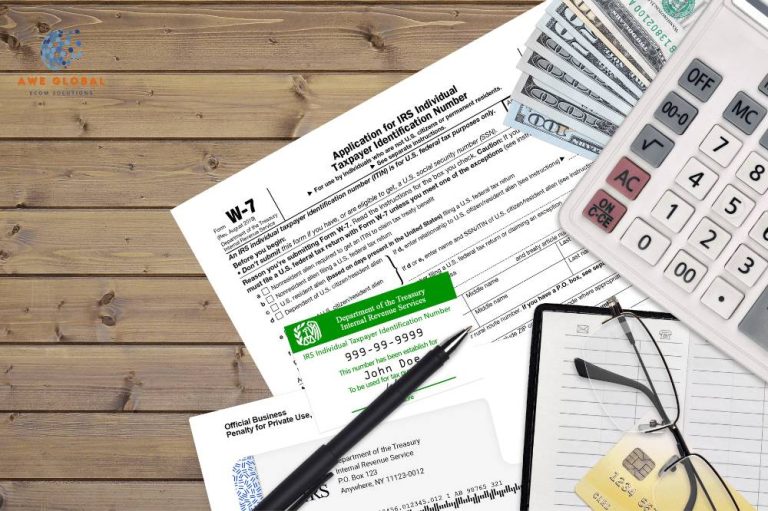
The Individual Taxpayer Identification Number (ITIN) is a number issued by the US Internal Revenue Service (IRS) to people who aren’t US citizens but have a US tax-filing obligation. The ITIN is designed to support foreign nationals, especially those awaiting legal residency status, in filing taxes. Importantly, the ITIN has nothing to do with immigration law, and the IRS doesn’t share applicant information with other government agencies.

An ITIN is a string of 9 digits, starting with the number 9, in the format 9XX-XX-XXXX. Don’t confuse the ITIN with the Social Security Number (SSN), which is also a 9-digit string but issued by the Social Security Administration.

What Is an ITIN Used For?

The IRS uses the ITIN to process and track taxes from individuals not eligible for an SSN. Although an ITIN doesn’t grant Social Security benefits or the Earned Income Tax Credit (EITC), it allows registering for the Child Tax Credit, worth $3,600 for children under 6 and $3,000 for children aged 7-18, depending on family income.

In addition, an ITIN lets people without an SSN open a US bank account. An ITIN can also be used to get a driver’s license and serve as proof of residence, but it can’t be used to apply for legal work or receive EITC and Social Security benefits.

Who Needs an ITIN?

An ITIN is necessary for foreign nationals residing in the US without an SSN. Anyone working and filing taxes in the US needs an ITIN. If you already have an ITIN, your spouse and dependents may also be able to get an ITIN.

ITIN
The Individual Taxpayer Identification Number (ITIN) is issued by the US Internal Revenue Service

The Difference Between ITIN and SSN

An SSN is the official tax-identification number for US citizens and some other residents, for determining income tax and benefits. An SSN is used to track income, years worked, and assess financial benefits like pension, health insurance, and unemployment benefits.

Although an ITIN can be used in place of an SSN for certain purposes like opening a bank account, a foreign national can’t use an ITIN to apply for a passport or request Social Security benefits.

How to Apply for an ITIN

There are currently three methods to register for an ITIN:

  1. Through an IRS-authorized CAA agent: These agents can be found in the US and internationally. You need to schedule an appointment and bring the appropriate documents.
  2. At an IRS Taxpayer Assistance Center: You need to schedule an appointment in advance at an assistance center in the state where you live.
  3. Mailing an application: Download, print, fully fill in, and mail Form W-7, along with original documents or certified copies verifying your identity. Always check the IRS website for the latest updated information.

Documents Needed for an ITIN Application

The IRS currently accepts 13 different types of documents to prove identity and foreign status. Documents must be current and show foreign-national status.

ITIN
The IRS accepts 13 different types of documents to prove identity and citizenship status

A passport is the only standalone document that can confirm both identity and foreign status. Without a passport, you need to combine two or more other documents, such as:

  • A national ID card
  • A US or foreign driver’s license
  • A civil birth certificate
  • A state-issued ID card
  • A foreign voter registration card
  • A military ID card
  • A visa
  • USCIS documents with a photo
  • Medical records (for a dependent under 6)
  • A school record (for a dependent under 14, or under 18 if a student)

Always check the IRS website to stay updated on ITIN-related changes.

Conclusion

Registering for an ITIN is an important step for individuals with a tax obligation in the United States. As long as you clearly understand the process and fully prepare your documents, you can easily complete registration and take advantage of the benefits it brings.

Contact AWE Legal for detailed consulting and support during the ITIN registration process, ensuring you comply with regulations correctly and optimize your business opportunities in the US. We’re always here, ready to accompany you on your journey to grow and expand into the market!

————————————

𝑨𝑾𝑬 𝑳𝒆𝒈𝒂𝒍 𝑺𝒆𝒓𝒗𝒊𝒄𝒆𝒔 – 𝑩𝒓𝒊𝒏𝒈𝒔 𝒚𝒐𝒖𝒓 𝒃𝒖𝒔𝒊𝒏𝒆𝒔𝒔 𝒕𝒐 𝒕𝒉𝒆 𝒘𝒐𝒓𝒍𝒅!

🏡 Fanpage: https://www.facebook.com/awelegal.agent

📞 Phone: 0886 514 519 / 09 8246 8246 / 082 309 3619

🌎 Website: awelegalservice.com

The Difference Between LLC and Ltd: An Overview

THE DIFFERENCE BETWEEN LLC AND LTD: AN OVERVIEW

LLC and Ltd are two popular legal structures for businesses, both offering limited liability to owners. However, there are still many differences in how they operate and in their legal regulations. In this article, we’ll take a closer look at LLC and Ltd, along with the benefits and challenges they bring.

What Is an LLC?

LLC and Ltd
LLC, also known as a limited liability company

LLC (Limited Liability Company) is a US business type combining elements of a corporation and a partnership. One of an LLC’s biggest advantages is limited liability protection for members. This means owners aren’t personally liable for the company’s debts and legal obligations. This form is very flexible in terms of tax and management, making it an ideal choice for small businesses.

See also: 7 Reasons Why Forming an LLC Could Be a Smart Decision for Your Business

What Is Ltd?

LLC and Ltd
A popular business structure in the United Kingdom

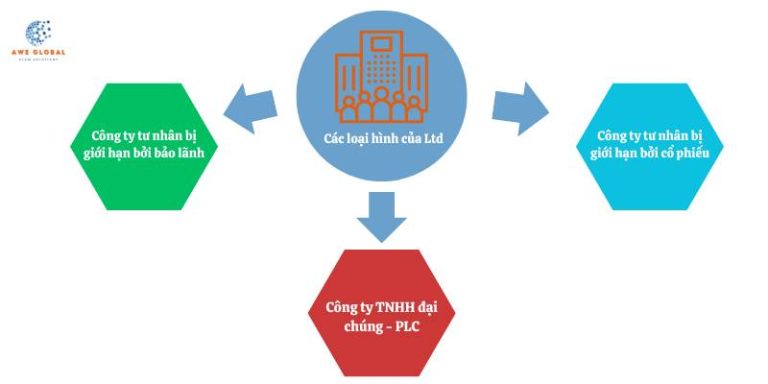
Ltd (Limited) is a popular business structure in the United Kingdom, Ireland, and Commonwealth countries. This business type is divided into two main types: Private Limited Company and Public Limited Company. In a private limited company, shares aren’t publicly traded. Meanwhile, a public limited company can list shares on an exchange. Ltd offers limited liability to shareholders, similar to an LLC, protecting them from debts beyond their initial investment.

Comparing LLC and Ltd

  1. Limited liability: Both LLC and Ltd offer limited liability protection to owners. However, an LLC usually focuses on tax and financial obligations. For Ltd, this protection mainly relates to protecting shareholders from the company’s debts.
  2. Management structure: An Ltd company needs at least one director and has a clear officer-appointment process. Meanwhile, an LLC doesn’t require a director. LLC members can freely manage the business without following rigid regulations.
  3. Ownership: Ltd can have from two to fifty members if it’s a private company, or more if it’s a public company. Conversely, an LLC can be owned by one or more members, depending on the business’s size and goals.
  4. Tax: Both LLC and Ltd use pass-through taxation. Profit or loss passes directly to members or shareholders. This helps avoid double taxation, a major advantage for both types.
  5. Members: With both LLC and Ltd, members are only financially liable within the scope of the capital invested. If an LLC runs into financial trouble, members aren’t personally liable for the company’s debts.

Types of Ltd

LLC and Ltd
Types of LTD
  • Private Company Limited by Guarantee: This company type has no share capital. Instead, members commit to pay a fixed amount if the company is liquidated. This type is usually used for charities or nonprofits.
  • Private Company Limited by Shares: This company has shareholders with limited liability, but shares aren’t publicly traded.
  • Public Limited Company (PLC): A PLC’s shares can be publicly listed on a stock exchange.

Advantages and Disadvantages of LLC

Advantages of LLC:

  • Flexibility: An LLC doesn’t require a rigid management process like Ltd. Members can freely manage the company without needing to appoint a director.
  • Tax advantage: An LLC helps avoid double taxation, optimizing profit for members.
  • Legal liability protection: Members are only liable within the limit of the capital they’ve invested.

Disadvantages of LLC:

  • Lifespan: Some LLCs may not continue to exist without careful planning. When a member leaves, an LLC may be dissolved without other provisions in place.
  • Not suited to large businesses: For large businesses or those with many investors, a corporation may be a more sensible choice.

Advantages and Disadvantages of Ltd

Advantages of Ltd:

  • Limited liability: Shareholders are only liable within the scope of the capital invested.
  • High credibility: Public companies (PLC) can publicly list shares, helping increase capital-raising ability.
  • Clear regulations: Ltd’s management and officer-appointment process is transparent, building trust with stakeholders.

Disadvantages of Ltd:

  • Requires more paperwork: Forming and managing an Ltd is usually more complex and requires more legal documentation than an LLC.
  • Less flexible management: Ltd requires appointing at least one director, making the management process less flexible.

AWE Legal’s Support in Forming an LLC and Ltd

AWE Legal provides professional consulting and legal support services for businesses. You can easily choose between LLC and Ltd based on your business’s needs. With an experienced team of lawyers, AWE Legal will help you from company formation, tax consulting, to legal compliance.

In addition, AWE Legal also advises businesses on how to optimize their management structure, helping them choose the most suitable type. If you’re still uncertain between LLC and Ltd, contact AWE Legal now for professional consulting.

Conclusion

Although both LLC and Ltd offer significant benefits, which type you choose depends on your business’s scale and goals. With help from AWE Legal, you’ll make the right, most suitable decision for your business.

———–

𝑨𝑾𝑬 𝑳𝒆𝒈𝒂𝒍 𝑺𝒆𝒓𝒗𝒊𝒄𝒆𝒔 – 𝑩𝒓𝒊𝒏𝒈𝒔 𝒚𝒐𝒖𝒓 𝒃𝒖𝒔𝒊𝒏𝒆𝒔𝒔 𝒕𝒐 𝒕𝒉𝒆 𝒘𝒐𝒓𝒍𝒅!

🏡 Fanpage: https://www.facebook.com/awelegal.agent

📞 Phone: 0886-514-519 / 09-8246-8246

🌎 Website: awelegalservice.com

What Is an LLC? Its History and Advantages, Limitations

WHAT IS AN LLC? ITS HISTORY AND ADVANTAGES, LIMITATIONS

What is an LLC? How did it develop and come to be? What advantages does it have? Today, let’s explore this business type in more detail with AWE Legal!

What Is an LLC?

what is an LLC
LLC (Limited Liability Company) is the abbreviation for a limited liability company

An LLC (Limited Liability Company), also known as a limited liability company (LTNHH) in Vietnam, is a very popular business organization model. It combines superior elements from a sole proprietorship and a corporation. This model lets members limit their financial liability to the amount of capital contributed to the business, protecting personal assets from the company’s debts.

An LLC can be formed by one or more individuals or organizations. With a single owner, it’s a single-member LLC; with more than one, it’s a multi-member LLC. This gives businesses, from small to large, more flexibility in operating and protecting personal assets from financial risk.

The History and Development of the LLC

what is an LLC
The LLC originated in the late 19th century

What is an LLC and how did it come to be? The Limited Liability Company originated in England and Commonwealth countries in the late 19th century. LLCs were initially established to protect the interests of small investors and drive economic growth. In the United States, the state of Wyoming pioneered LLC-formation law in 1977, driven by the Hamilton Brothers company.

By 1996, the IRS (US Internal Revenue Service) introduced classification and taxation rules for LLCs. This regulation allows LLCs to elect personal-income taxation, avoiding double taxation like a corporation. Since then, LLCs have quickly become popular not just in the US but in many countries, including Vietnam.

Characteristics of an LLC

So what is an LLC in practice? An LLC has many standout characteristics compared to other business types:

  • Independent legal-entity status: Once registered, an LLC has its own legal-entity status, able to sign contracts, borrow capital, and own assets.
  • Limited liability: Members are only liable within the scope of contributed capital, protecting personal assets.
  • Flexible management rights: An LLC can be managed by the members themselves or an appointed group.
  • Limited capital transfer: A member needs the consent of other members to transfer capital to an outside party.
  • Flexible taxation: An LLC can choose personal-income taxation or corporate taxation, helping avoid double taxation.

Types of LLC

There are two main LLC types: single-member LLC and multi-member LLC. So what is an LLC in each specific case?

what is an LLC
There are two main LLC types: Single-Member and Multi-Member

Single-Member LLC

A single-member LLC is a business owned by a single individual or organization. This is a popular choice for small or family businesses. The owner has full control over business operations. However, they also need to closely oversee processes to ensure the business runs stably.

The single-member LLC’s biggest strength is its ability to protect personal assets from the business’s debts.

Multi-Member LLC

A multi-member LLC has 2 to 50 members. This is an ideal choice for medium and large businesses. Members contribute capital and bear limited liability based on that capital. Management can be handled by one or more appointed people.

A multi-member LLC allows raising capital from many sources, while business decisions are shared among members. However, it can face the risk of conflicting interests when members disagree.

Advantages and Disadvantages of an LLC

Advantages

What is an LLC that gives it so many benefits?

  • Personal asset protection: This is an LLC’s standout advantage. Members are only liable within the scope of capital invested in the company.
  • Tax flexibility: An LLC can choose a tax form suited to its structure.
  • Easy to form: The process of forming and managing an LLC is usually simpler than other models like a corporation.
  • Flexible management: A business can choose a management form suited to itself.

Disadvantages

  • Limited fundraising: An LLC can’t issue shares, making it difficult to raise large amounts of capital from the stock market.
  • Internal conflict: With many members, management can become complex, and conflicts in decision-making can easily arise.
  • Limited capital transfer: A member needs consent from other members to transfer capital.

See also: Why You Should Register an LLC for Your Business

The Difference Between LLC and Corporation

Both LLC and Corporation protect owners’ personal assets. However, a Corporation can issue shares and raises capital more easily. An LLC, conversely, is more flexible in management and taxation.

An important difference is tax: a Corporation faces double taxation (corporate tax and dividend tax), while an LLC can avoid this by choosing personal-income taxation.

Conclusion

An LLC is a flexible business model, protecting personal assets and offering a tax advantage. Despite some limitations around fundraising and potential internal conflict, an LLC remains a suitable choice for small and medium businesses.

If you’re looking for legal consulting and support forming an LLC or managing your business, AWE Legal is a trustworthy partner. We provide comprehensive legal services, from business formation to management, tax support, and legal compliance. Contact AWE Legal for detailed consulting and to begin your effective business journey.

———–

𝑨𝑾𝑬 𝑳𝒆𝒈𝒂𝒍 𝑺𝒆𝒓𝒗𝒊𝒄𝒆𝒔 – 𝑩𝒓𝒊𝒏𝒈𝒔 𝒚𝒐𝒖𝒓 𝒃𝒖𝒔𝒊𝒏𝒆𝒔𝒔 𝒕𝒐 𝒕𝒉𝒆 𝒘𝒐𝒓𝒍𝒅!

🏡 Fanpage: https://www.facebook.com/awelegal.agent

📞 Phone: 0886-514-519 / 09-8246-8246

🌎 Website: awelegalservice.com
What Is Co LTD? Exploring the Limited Liability Company Structure

WHAT IS CO LTD? EXPLORING THE LIMITED LIABILITY COMPANY STRUCTURE

What is Co LTD? This is short for Company Limited, meaning a limited liability company. This business type has legal-entity status from the moment it receives its business registration certificate. Co LTD is usually formed by one or more individuals or organizations contributing capital together. This means members bear limited liability for the company’s debts and finances, within the scope of their contributed capital.

How Many Types of Co LTD Are There?

what is Co LTD
Co LTD is short for Company Limited

Under regulations, this type of company is divided into two main forms:

  • Single-member LLC: This is a business type owned by a single organization or individual. The company owner is liable for debts and other property obligations within the limit of their registered charter capital.
  • Multi-member LLC: This type has 2 to 50 members, including organizations or individuals. Each member is only liable for debts and other property obligations within the scope of the capital they’ve contributed to the business.

So, what is Co LTD? It’s a limited liability company type, made up of two main forms: single-member LLC and multi-member LLC.

See also: The Difference Between LLC and Ltd: An Overview

How Is the Business Type Abbreviation Regulated?

what is Co LTD
What is Co LTD

Business law also clearly regulates business naming. A business’s local-language name must include two elements: business type and proper name. For the Co LTD type, the company name will be written as “TNHH company” or “limited liability company.”

In addition, the business name must be displayed at the head office, branches, and printed on transaction documents and paperwork the business issues. The business registration authority has the right to reject a business name if it violates naming regulations.

Advantages of Co LTD

Once you understand what Co LTD is, you can see the standout advantages of this type:

  • Limited liability: Members are only liable within the scope of their contributed capital, reducing personal financial risk.
  • Legal entity status: Co LTD has legal-entity status, letting it enter contracts, borrow capital, and protect the company’s interests.
  • Flexible management: With a simple, lean structure, Co LTD is easy to manage and adjust to real business conditions.

Can a Business Name Be Abbreviated in a Foreign Language?

what is Co LTD
A business name can be translated from the local name into a foreign language

A business can use an abbreviated name in a foreign language. Business names can be translated from the local-language name into a foreign language. So Co LTD in a foreign language is exactly Company Limited. A business’s abbreviated name can be taken from the local name or the translated name.

Some common examples of abbreviations for the Co LTD type include:

  • Jsc (Joint Stock Company)
  • PLC (Public Limited Company)
  • Corp (Corporation)
  • Inc (Incorporated)

Conclusion

What is Co LTD isn’t just a question about business type — it’s also one of the top choices for many investors when forming a company domestically and internationally. With its superior features around limited liability and flexible management, Co LTD is becoming increasingly popular in the business community.

If you have any questions, contact AWE Legal — a reputable provider with an experienced team of legal specialists for comprehensive support. We’re always ready to support and advise you on your journey building and growing your business, ensuring every process goes smoothly and successfully.

———–

𝑨𝑾𝑬 𝑳𝒆𝒈𝒂𝒍 𝑺𝒆𝒓𝒗𝒊𝒄𝒆𝒔 – 𝑩𝒓𝒊𝒏𝒈𝒔 𝒚𝒐𝒖𝒓 𝒃𝒖𝒔𝒊𝒏𝒆𝒔𝒔 𝒕𝒐 𝒕𝒉𝒆 𝒘𝒐𝒓𝒍𝒅!

🏡 Fanpage: https://www.facebook.com/awelegal.agent

📞 Phone: 0886-514-519 / 09-8246-8246

🌎 Website: awelegalservice.com
Detailed Guide to the Procedure and Cost of Forming a Company in the US in 2024

DETAILED GUIDE TO THE PROCEDURE AND COST OF FORMING A COMPANY IN THE US IN 2024

Forming a company in the US doesn’t just help Vietnamese investors expand into the international market — it also brings many benefits from US government support policies. Before starting, investors are usually interested in the cost of forming a company in the US as well as related procedures. In this article, we’ll take a detailed look at this topic.

Why Should You Form a Company in the US?

cost of forming a company in the US
Why you should form a company in the US

The US is one of the world’s leading developed markets, with a diverse business environment and strong business-support policies. For Vietnamese investors, forming a company in the US doesn’t just help expand markets — it also raises brand credibility. In addition, investment policies in the US are appealing, notably not requiring proof of assets or high registered capital. Moreover, the cost of forming a company in the US is fairly reasonable, well suited to small and medium businesses.

Common Business Types in the US

When forming a company in the US, an investor can choose from many business types. Each type has different advantages and disadvantages, suited to specific needs.

  1. Corporation:
    • Advantage: Protects shareholders’ personal assets, helping shareholders avoid personal liability for the company’s legal matters.
    • Disadvantage: Must pay tax twice — once for the company and once on personal income.
  2. Limited Liability Company (LLC):
    • Advantage: Protects personal assets, simpler procedure than a Corporation, less complex taxation.
    • Disadvantage: Difficulty raising capital since it can’t issue shares.
  3. Partnership:
    • Advantage: Simple procedure, just needs an agreement and name registration with local authorities.
    • Disadvantage: Members must bear personal liability for legal matters.
  4. Sole Proprietorship:
    • Advantage: Simple procedure, just needs to register the business name.
    • Disadvantage: No personal-liability protection, affecting personal assets in the event of a dispute.

The Cost of Forming a Company in the US

cost of forming a company in the US
Cost can vary depending on the state and business type

The cost of forming a company in the US ranges from $100 and up, depending on the state and business type. Besides the business registration fee, a business needs to prepare for other costs such as:

  • Office rental cost: Office rent in the US depends on location and size.
  • Office equipment cost: Includes computers, printers, and other necessary equipment.
  • Staffing cost: Includes salary, insurance, and benefits.
  • Legal cost: Especially important if the business operates in a specific regulated industry.
  • Tax compliance cost: Registering and complying with corporate income tax regulations.

In addition, to maintain the company after formation, a business needs to also consider annual recurring costs such as maintenance fees and tax reporting.

The Procedure for Forming a Company in the US

cost of forming a company in the US
The procedure for forming a company in the US

The process of forming a company in the US includes several important steps:

  1. Prepare documentation:
    • Valid personal identification documents.
    • Company bylaws and a list of founding members.
    • The state business-registration application form.
  2. File the application:
    • The application is filed through a licensed Agent in the US.
    • Registration fee from $100 and up, depending on the state.
  3. Receive the result:
    • The regulatory agency issues a certificate once approved, usually taking 3-5 business days.
  4. Complete post-formation procedures:
    • Register a tax ID (EIN) with the IRS.
    • Open a business bank account.
    • Register a business license if needed.

Notes on Maintenance Costs

After formation, beyond the cost of forming a company in the US, a business also needs to pay maintenance costs such as office rent, tax reporting, and the annual Agent service renewal.

Conclusion

Forming a company in the US brings many advantages for Vietnamese businesses, from a dynamic business environment to appealing investment policies. However, investors need to clearly understand the cost of forming a company in the US and the procedures to ensure the process goes smoothly. AWE Legal provides comprehensive support services for forming a company in the US, from document preparation to legal management after formation.

Contact 𝑨𝑾𝑬 𝑳𝒆𝒈𝒂𝒍 today for the fastest and most effective support!

———–

𝑨𝑾𝑬 𝑳𝒆𝒈𝒂𝒍 𝑺𝒆𝒓𝒗𝒊𝒄𝒆𝒔 – 𝑩𝒓𝒊𝒏𝒈𝒔 𝒚𝒐𝒖𝒓 𝒃𝒖𝒔𝒊𝒏𝒆𝒔𝒔 𝒕𝒐 𝒕𝒉𝒆 𝒘𝒐𝒓𝒍𝒅!

🏡Fanpage: https://www.facebook.com/awelegal.agent

📞Phone: 09-8246-8246 / 0886-514-519

🌐Website: awelegalservice.com