Call us now
09 8246 8246
Get a quote
Aug 21, 2026
The US Food and Drug Administration (FDA) sets regulations to ensure medical devices meet safety and effectiveness standards before being imported and distributed in the US market. One of the key steps in this process is medical device classification, which determines the appropriate level of regulatory control for each type of product.
Class I: General Controls
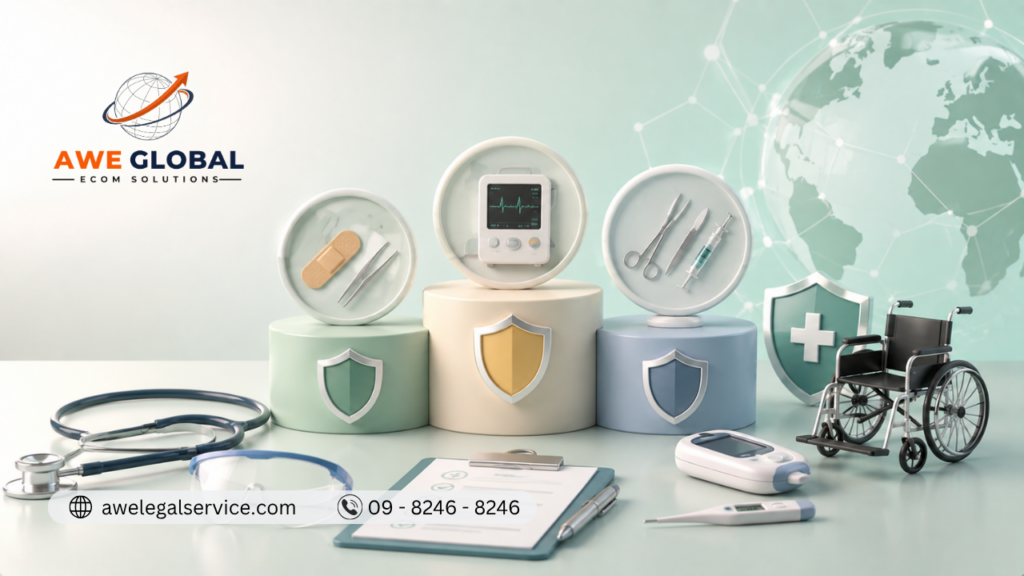
Class I devices are considered the lowest risk to users. Most devices in this class are exempt from the 510(k) premarket notification requirement. Typical examples include bandages, bone splints, and basic surgical instruments.
Class II: General Controls and Special Controls
Class II includes devices of moderate complexity and usually requires filing a 510(k) with the FDA before going to market. Common examples are blood pressure monitors and surgical instruments.
Class III: General Controls and Premarket Approval (PMA)
This is the class of devices with the highest technical complexity, usually related to sustaining or supporting life, and may be implanted in the human body. Examples include pacemakers and heart-rhythm regulators.
The level of control for each medical device class is determined based on the intended use as well as the potential risk to patients and users.
General controls apply to all classes, such as requiring manufacturing facility registration and reporting incidents related to injury or death caused by a medical device.
For Class II, in addition to general controls, devices must also comply with additional special control requirements. This can include specific testing procedures, special labeling, or dedicated instructions for use for each type of device.
510(k) is documentation filed before a device goes to market, to demonstrate the device is safe, effective, and equivalent to a product already legally on the market.
PMA (Premarket Approval) is a rigorous scientific review process required for Class III devices, to ensure safety and effectiveness before allowing distribution.
Fully complying with FDA medical device classification and registration regulations is essential to protect users and help medical devices enter the US market legally and effectively.