Call us now
09 8246 8246
Get a quote
Aug 21, 2026
In an era where copyright and intellectual property are increasingly valued, especially in business, clearly understanding “what a trademark is” has become extremely important. In Vietnam, this concept has only really drawn attention in recent years. However, for international businesses, a trademark has always been a necessary element to protect a brand. So this article will help you better understand what a trademark is, why you need to register one, the difference between a trademark and a brand, and the signs that indicate a brand has been granted a trademark.

A trademark, or nhãn hiệu, is a mark that has been granted intellectual property protection. However, not every mark becomes a trademark. A mark is only officially protected once it’s registered with an intellectual property authority. This ensures no organization or individual can use the mark without permission.
Registering a trademark protects a brand from infringement and lets a business grow with peace of mind. In addition, a trademark is also a tool that helps a brand last long-term and avoid legal disputes.
A trademark plays an important role in protecting a business’s reputation. To better understand what a trademark is, consider the example of Apple. If another company used the name “iPhone” for its own product, consumers could get confused, causing harm to Apple.
A trademark prevents others from taking advantage of someone else’s brand. So when a dispute arises, a business that owns a trademark can turn to the law to protect its legitimate rights.

A trademark and a brand have some clear differences. A brand is the name, logo, or symbol a business uses to position itself in the market. A trademark, on the other hand, is the legal protection for those identifying elements. So a brand only becomes a trademark once registration is successful.
For example, a business can choose a product name, but only once the mark is registered for intellectual property protection is it protected by law.

A business can register multiple trademarks for different product lines. For instance, Apple doesn’t just have the iPhone — it also owns trademarks for the MacBook, iPad, and iMac. Even so, each product may be protected under its own distinct trademark.
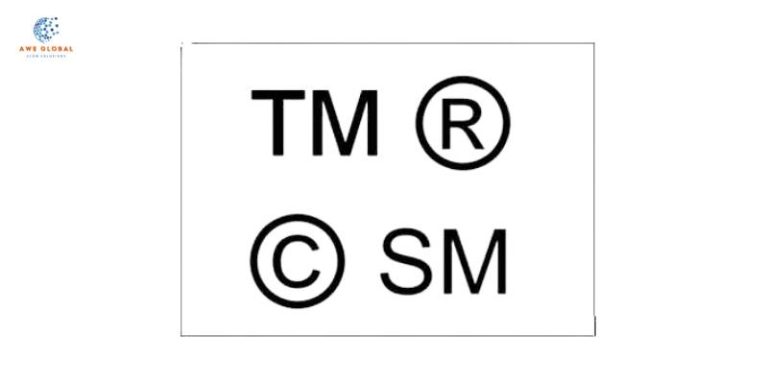
Brands that have been granted a trademark usually carry distinctive symbols like ™, ®, SM, and ©.
Registering a trademark doesn’t just help protect your brand — it also helps a business maintain its reputation and value in the market. This article has explained what a trademark is, why you need to register one, and the difference between a trademark and a brand. To protect your legitimate rights, contact AWE Legal, where we provide a comprehensive trademark registration service, helping you avoid disputes and effectively protect your brand.
📩Contact 𝑨𝑾𝑬 𝑳𝒆𝒈𝒂𝒍 today for the fastest and most effective support!